

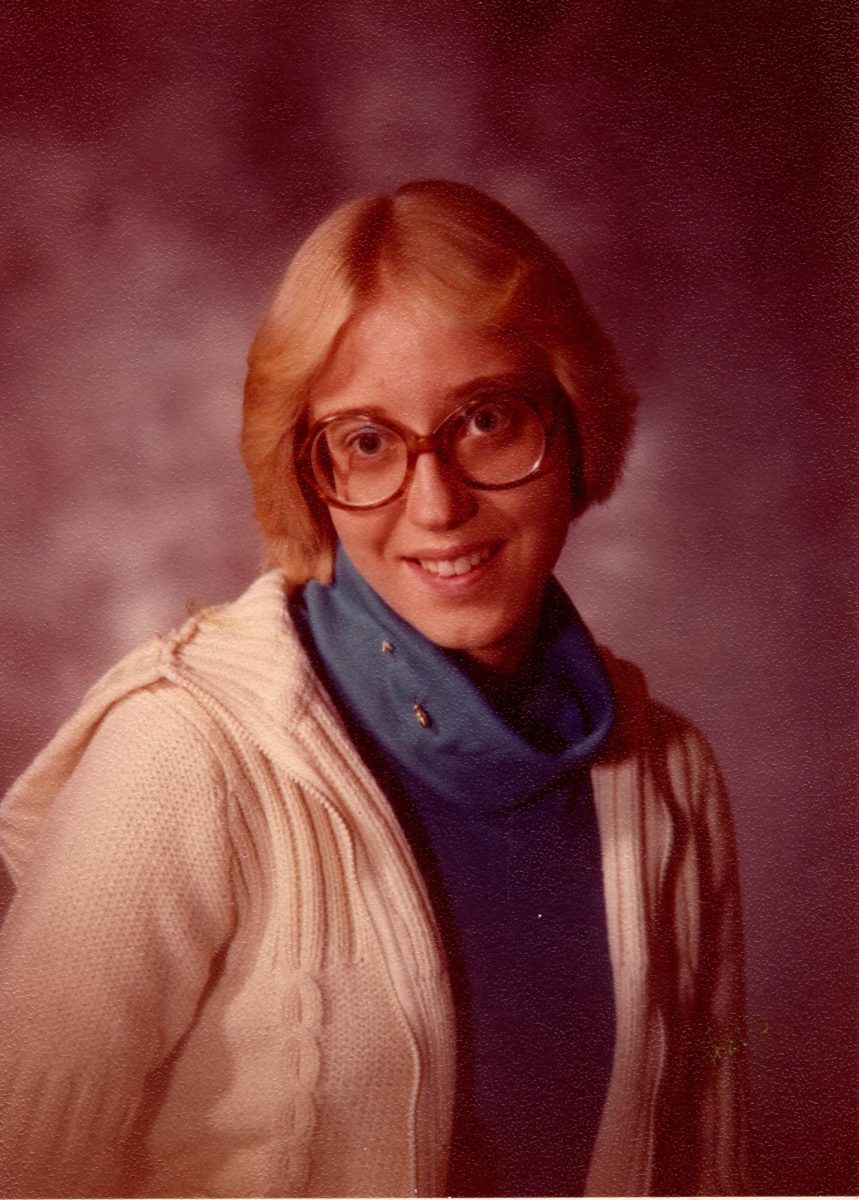
High school today looks very different from the experience many teachers remember from their own teenage years. From technology to student support systems, schools have evolved to meet changing student needs. Teachers at Blue Valley North, including Juan Ocon and Amy Schulte, have witnessed these changes from both sides of the classroom and agree that many of them have made high school a better place for students.
“When I was in high school, we didn’t have laptops,” Ocon said. “Nobody got their own personal laptop. Internet and Wi-Fi were really bad, and we couldn’t even check our grades online.”
He also recalled that social media was not a major part of student life and that much of their time was spent outside of school, participating in community activities rather than digital spaces.
Beyond technology, the structure of schools has shifted over time. One of the most important changes teachers have noticed is the increased focus on student well-being.
“The biggest positive change is focusing on the student as a person,” Ocon said. “Being okay with taking breaks, checking in with each other, and building positive relationships.”
He explained that while he had favorite teachers growing up, he never felt comfortable opening up to them or asking for help.
“Now we focus more on understanding each other as people, not just teachers and students.”
Academic opportunities have also expanded. Today’s students are offered a wider range of classes, programs and pathways that help prepare them for college, careers and life beyond high school.
“You guys have so many opportunities now,” Ocon said. “A lot of opportunities come to students instead of students having to go out and find them.”
He added that when he was in school, students were often limited to just a few paths.
“Now there are many options that open up every year, which is really great to see.”
Schulte shared similar thoughts when reflecting on her high school experience. She attended a smaller school with a more limited schedule and fewer advanced courses, especially in science. Today’s schools, she said, offer students far more academic flexibility.
“There were no AP classes,” Schulte said. “We had regular biology, regular chemistry, regular physics and that was basically it.”
She explained that now, students can choose from a wide range of classes that allow them to challenge themselves and pursue specific interests earlier.
“If used properly, there are a lot of really good opportunities,” Miss Schulte said. “You can find tutorials, videos and practice resources that weren’t available when I was a student.”
She acknowledged downsides but emphasized that technology can be a powerful learning tool when managed well.
Another major difference between the past and the present is the role of student voice.
“Students’ voices were not taken seriously when I was in high school,” Ocon said. “Now, students have more input on classes, activities, and events and that creates a better sense of belonging.”