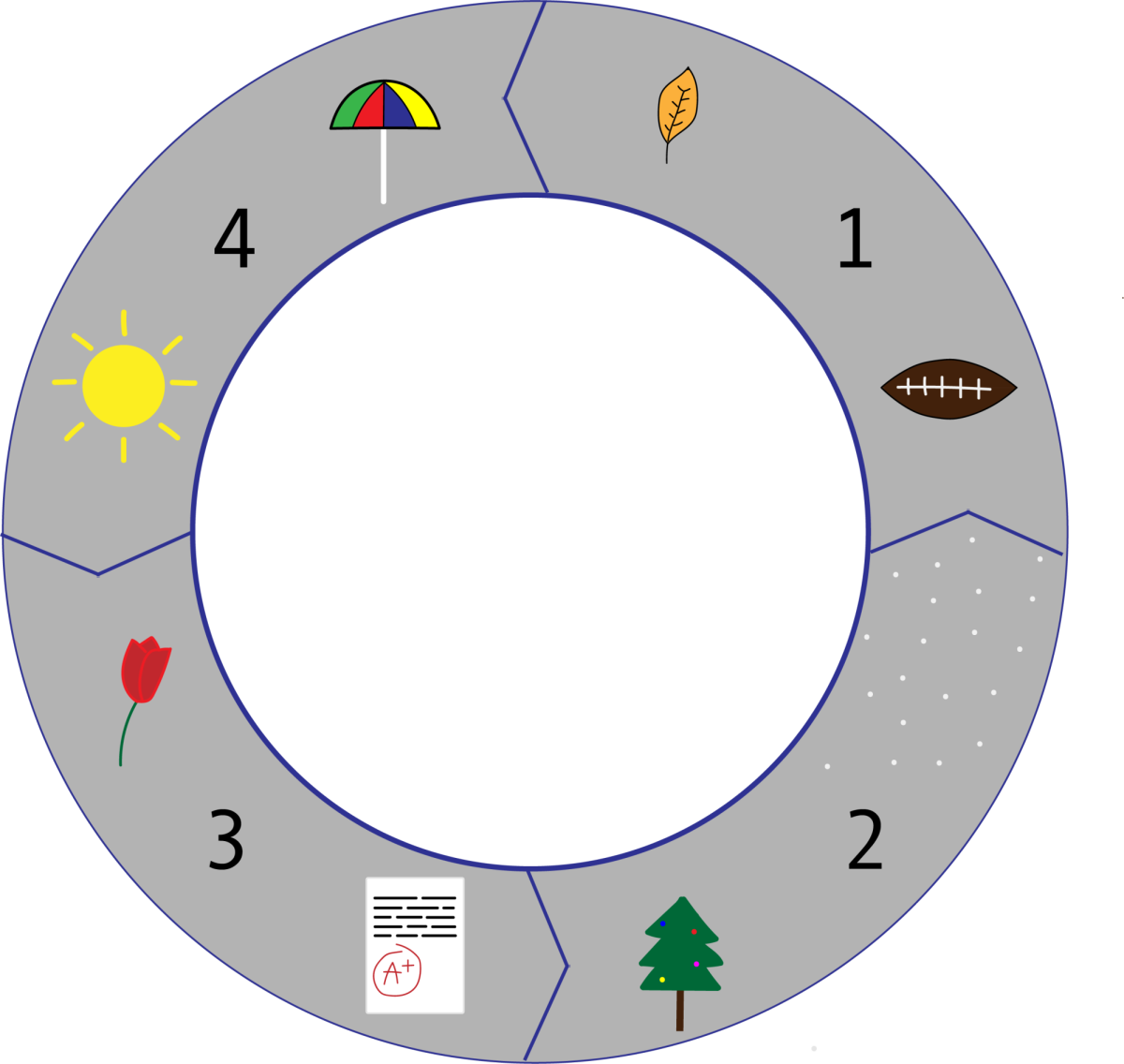


Seasonal depression is a form of depression that is triggered by the change in seasons and often begins in late fall or winter. This can cause a lack of energy, motivation, a change in daily routine and sleeping habits. According to Mental Health America, about 5% of the U.S. population experiences seasonal depression, and the main age demographic is ages 20 -30. Students at Blue Valley North were given a poll on whether they feel seasonal depression or not, and out of 120 students, 79 said they do.
Senior Madison Helman shared her experiences with seasonal depression and what feelings she notices around the wintertime.
“I get a lot more, not necessarily stressed but negative, overwhelmed, low energy,” Helman said.
Helman shared why the seasonal changes affect her motivation and her handling of workload.
“Yeah, [if it affects me] especially when it comes to school and extracurriculars, it’s really hard for me to stay on task and motivated,” Helman said. “I think it’s honestly the lack of light, I don’t leave school until 5-5:30 p.m., so the sun is pretty much already down, and when I wake up, the sun’s not even out yet.”
She believes that the seasonal changes bring about lifestyle changes and affect her daily life.
“I definitely leave my house less, I kind of pigeonhole, and going out makes me happy, but it’s also difficult to try and go out,” Helman said. “There’s nothing to do, and it’s all cold. It’s hard to try and talk to people and have fun when it’s 10 degrees outside.”
She first noticed these feelings, citing late middle school to early school, discussing how it can be around this age one develops these types of feelings. She also commented on how the fixed schedules in place, such as the same block schedules and out-of-school activity schedules, may affect the seasonal feelings.
“I definitely feel like if the schedule were adapted to be a little bit different so you can experience the sunlight, that would help,” Helman said. “But also the aspect of having a schedule is helpful in itself, I still want there to be a schedule that’s pretty much the same, so it feels like I have a rhythm, but if it could just be pushed back maybe an hour that would be great.”
Junior Colton Hitchcock stated he doesn’t feel changes in mood due to the season and gave his thoughts on why he thinks people experience seasonal depression.
“I think school has a part to play in it, honestly, because at the beginning of the year you want to start off strong and then as you go on, you just lose motivation to do a lot of your work,” Hitchcock said.
Hitchcock expressed his opinion that the fixed schedules may impact the already present feelings people face. He said having a varied schedule can be helpful because it can improve motivation. When asked what advice she would give to help those struggling with the seasonal changes, Helman shared what she believes could help people overcome it.
“You have to force yourself to be social, at least for me, that’s what really works,” Helman said. “Even though it’s a lot of work and it can be hard to overcome that sedentary behavior you might want to commit to, going out can be really helpful.”